
Sports Vision Training vs. an Eye Exam: What's the Difference?

An eye exam checks how well your athlete sees: clarity, eye health, and whether they need glasses or contacts. Sports vision training builds how quickly and accurately they use their vision in competition, including tracking, reaction time, and depth perception. They answer different questions, and they work best together.

What does an eye exam measure?
An eye exam looks at the health of the eyes and how clearly your child sees at rest. It checks for conditions that need treatment and determines whether corrective lenses are needed. It is an important baseline for every athlete, but it is a different test from how well someone reads a fast play.
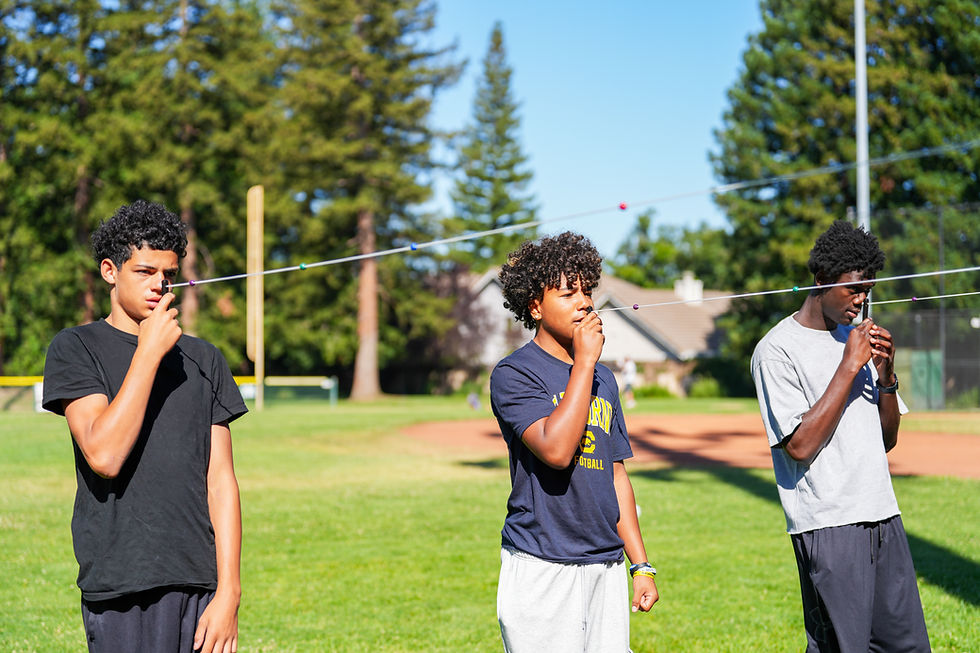
What does sports vision training measure?
Sports vision training looks at how your athlete uses their vision while moving and reacting. An Elite Vision Assessment measures skills like:
Eye tracking: following a fast-moving ball or opponent.
Reaction time: how quickly they respond to what they see.
Depth perception: judging distance and speed.
Peripheral awareness: noticing what is happening around them.
Processing speed: turning what they see into a decision.
Those scores become a baseline, and training is built around the gaps.
Sports vision training vs. an eye exam, side by side
What it checks: an eye exam checks clarity, eye health, and prescription needs. Sports vision training builds speed, tracking, and awareness.
How it is measured: an eye exam is usually measured at rest. Sports vision training is measured in motion, under pressure.
The question it answers: an eye exam answers "how well does my child see?" Sports vision training answers "how well does my child use their vision in their sport?"
Who guides it: an eye exam is performed by an eye care professional. Sports vision training is guided by a certified sports vision trainer.
Can an athlete have 20/20 vision and still struggle?
Yes. Your child can read the bottom line of the chart and still lose track of a fast ball, react a beat late, or misjudge distance. Clear eyesight and fast, accurate visual skills are two different things, and only the second can be trained. For more on this, see our parent's guide.
Does sports vision training replace an eye exam?
No. Training does not treat eye conditions or replace glasses or contacts. If your athlete has blurry vision, headaches, or trouble focusing, start with an eye care professional. Once their eyes are checked, training builds on that foundation. To see what the research shows about training visual skills, read our breakdown.
Which one does your athlete need?
Most athletes benefit from both: a routine eye exam to confirm healthy, clear vision, and sports vision training to sharpen how they use it. If your athlete sees well but feels a step behind the play, an Elite Vision Assessment is the right next step.
Want to see how your athlete's visual skills measure up?
Start with an Elite Vision Assessment to get a baseline and a clear plan.
Frequently Asked Questions
Is sports vision training the same as an eye exam?
No. An eye exam checks clarity and eye health, while sports vision training builds tracking, reaction time, and awareness for competition.
Should my athlete get an eye exam before starting?
A routine eye exam is a good baseline for any athlete, especially to rule out a need for glasses or contacts. Training builds on that, it does not replace it.
Will sports vision training fix blurry vision or replace glasses?
No. Training works on how athletes use their vision, not on eye health or prescriptions.
Does my athlete need a vision problem to benefit?
No. Sports vision training is for athletes who already see well but want to use their vision faster and more effectively.
How is progress measured?
Every athlete gets a baseline and is retested, so improvement is measured with data.

Comments